The journeys throughout everyday life impose trials on our bodies and minds. Everything from sitting too much, making phone calls or being hunched over a keyboard to the complete opposite of performing knuckle-dragging physical labor required for landscaping, painting houses or framing doors in a home. If the body doesn’t consistently recover from strenuous bouts of the physical requirements of life, joints and muscles will hurt.
The good news is that the body is equipped with a healing mechanism to mitigate pain and dysfunction. The phenomenon exercise brings to joints, muscles, and chemical functions of the body is a panacea for bodily pain. Simply sprinkle a little exercise on the parts of the body that hurt and “voila,” your torn rotator cuff, bulging lumbar disc, and arthritic fingers are cured.
It’s also essential to have a rigorous relationship with the truth about the wear and tear involved with the body. Only half of this statement is true, the part where the body produces healing properties via exercise. However, the magic pill of eliminating pain from our lives isn’t that easy to discover.
People are also reading…
Exercise requires time, dedication and strategy to get the most out of adding fitness as a component of health to our lives. Factors such as lack of compliance, redundant routines and damaging exercises play roles in producing effective exercise routines.
Intimidation or feeling awkward when entering a local gym can quickly prevent someone from developing an adherent exercise routine when using community gyms like INSHAPE or Plant Fitness as a resource to exercise. Additionally, the body won’t adapt to become stronger if we become complacent in our exercise routine and perform the same movements over and over again.
Furthermore, “grinding through the pain” and forgoing exercise altogether won’t work either. Pain and physical dysfunction doesn’t simply go away. A body that heals is piloted by a person who devotes meticulous attention to detail by consistently nurturing the body and avoiding harmful factors that break down the body’s organs.
To get the most out of an exercise routine, a “laying of plans” is a potentially effective method to cultivate healing properties. To create a worthwhile plan, establishing at least a four-week layout helps develop a sense of direction in a fitness journey.
First, pick exercises that can be performed competently. No one should be performing single-leg inverted pigeon stretches in a yoga class when performing ten repetitions of bodyweight squats are a challenge.
Next, assign how many sets and repetitions are a safe and effective dose for the exercises you want to achieve. Finally, make sure these exercises are engaging and enjoyable.
Exercising isn’t effective if they make you drag your feet while doing them or have nightmares about performing planks the day before you plan a trip to the gym. The likelihood of an exercise routine continuing past a few weeks is little to none if it drones on and becomes dull.
It’s essential to be picky when choosing exercises in your routine. The most effective exercise in the world can quickly become obsolete if the routine becomes mundane or causes more damage than when beginning the program.
Increasing productive stress on connective tissue throughout an exercise routine is important in conditioning the body toward optimal strength and longevity. For example, when performing resistance exercises such as squats, plank, or push-ups, increasing the workload each week for three weeks imposes gradual stress on the bones, ligaments, tendons and muscles.
This can be very productive when the training load volume is slightly increased each week. Training load volume can be defined as the increasing amount of repetition, resistance, or duration of a specific exercise.
With this increase in the challenge for a three-week cycle, it’s a good idea to have an unloading week. This is a week in which performing the same exercises, but with resistance equal to or less than the first week, will act as a destressing period for the body.
After completing this four-week cycle, the body, more often than not, feels stronger. Additionally, after practicing the same routine for four weeks, the body will likely develop mastery and competency toward those specific exercises. This allows one to try another four weeks of new and slightly more challenging activities.
A variety of exercises is beneficial to the development of strong connective tissue. Yoga, Pilates, group fitness classes, and organized, well-planned resistance training create significant adaptations to the body. To get the most out of fitness routines, let’s remember to track our progress to avoid overuse injuries and develop strength in our connective tissue to last for the long term.
Activating the core throughout the day and preventing common injuries is a key ingredient to help our everyday functionality.
Is it better to dwell on pains and problems or look ahead to “the next logical step” to achieving health and joy?
Just five minutes of inclined walking once a week can improve muscular strength, decrease joint pain, and add another fun and engaging adventure to a weekly walking routine.
Sean McCawley shares exercises to strengthen balance and help avoid dangerous falls.
Even fitness gurus like Sean McCawley get the urge to indulge in less-than-healthy treats. Here is what he does.
A visit to Washington D.C., reveals a city full of stairs.
Everyone gets sick but if we include regular exercise and recreational physical activity into our lives, we don’t have to be sick for very long. That’s why it pays off to be healthy.
Missing a week of exercise at your local gym is not the end of the world. Having the “slow drip” dose of simple and effective exercises every day promotes substantial results too.
Before you embark on an trip, it’s a good idea to prepare yout body a few months in advance to manage the stresses of travel.
Isometric exercises may be an alternative for people pressed to find the time to get to the gym.
What happens when you miss your workouts for a week? It’s not all bad news.

When tech blunts physical activity, we can still avoid underuse injuries through efficient and effective forms of exercise, columnist Sean McCawley writes.

Napa fitness expert Sean McCawley discusses the importance of keeping your knees strong and healthy.

Preparation is a tool for success. To mitigate the unhealthy effects of eating out too much, we can look at the menus of our favorite restaurants ahead of time to make healthy decisions for our nutritional success.

Weight loss and weight gain are constant balancing acts. Where can we start on a path to productively managing our weight?
Finding a way to squeak in an extra healthy habit significantly impacts our everyday health and happiness.

A fall can cause something as minor as a scraped knee or as catastrophic as a broken bone. One way to minimize injury is to have strong fingers and hands.

Maintaining a healthy body while occasionally indulging in less-than-healthy meals and snacks comes down to a question of balance.
Discomfort is an understatement for severe cases of sciatica, but identifying its common causes is an effective first step toward a plan of action to prevent it.

Fitness expert Sean McCawley introduces the lumbopelvic hip complex and explains why we might want to learn what exactly it is.

It’s not breaking news that staying active keeps us healthy but it’s important to strive for a balanced fitness routine that will keep you going and avoid injuries.

Sitting isn’t bad for you; sitting for too long without moving is. Napa fitness expert Sean McCawley offers exercises to do to counteract stiffness and stress from inactivity.

If losing extra fat and keeping it off is your goal, it’s important to understand that first you have to establish a foundation of eating healthy and adhering to exercise for at least three months.
SAID means “Specific Adaptation to an Imposed Demand” and this includes long hours sitting in an airplane or car. What can you do to help your body out after you get off the plane or out of your car?
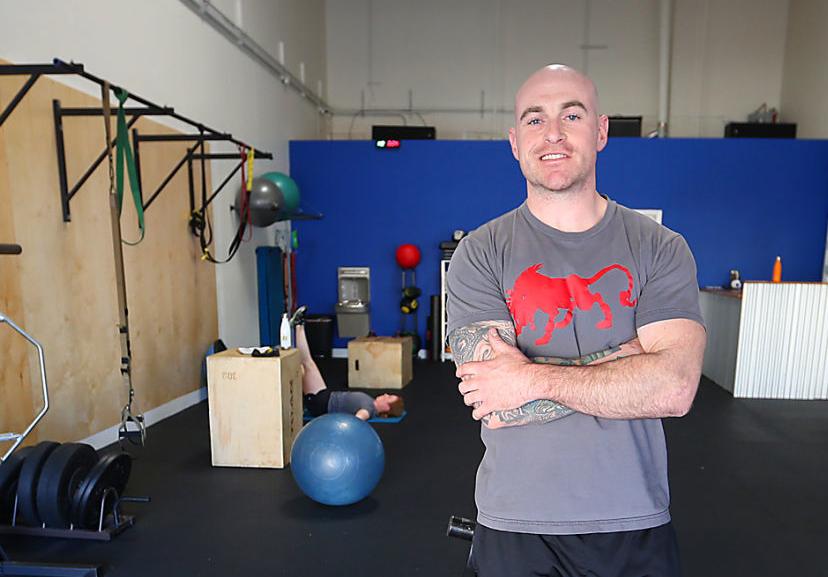
Fitness trainer Sean McCawley experienced challenges to his healthy Napa lifestyle on his 10-day trip to Portugal.
Finding time to exercise is challenging but if you can find time to perform one or two exercises first thing in the morning, this can can accomplish simple and effective exercises.
On the run up to a championship match, the foods you choose will make a difference.
What’s for dinner? Before you turn to Door Dash, fitness pro Sean McCawley has a suggestion.
When striving to meet fitness goals, try keeping in mind a growing a plant — both a plant and your body thrive in a nurturing, supportive environment.
Exercising first thing in the morning may sound like a challenge, but the benefits far outweigh the pain of getting out of bed a few minutes earlier.
Rise and shine — or rest in bed? Sean McCawley provides reasons for getting yourself up in the morning.
We don’t realize how vital lower back health is until an accidental injury debilitates us, but exercises can help avoid this calamity.
A long-plane ride, turning your head the wrong way, even sleeping in an odd position, can tweak your back just enough to derail physical activities. The first step in avoiding these injuries, is learning the anatomy of your spine.
We can fall into an unhealthy rut of spending too much time on our phones. Take some time for yourself by stepping away from your cell phone to experience the gifts the world offers us that are right in front of us.
If you can’t make it to the gym six times a week, you can still achieve optimal fitness by choosing compound exercises.
A few popular questions fitness trainer Sean McCawley is asked are: “How many calories should I consume?”, “Are carbs bad?”, “Should I be paleo?” and “What type of protein supplement should I take?”

Staying hydrated is important to overall health, longevity and functionality, writes fitness coach Sean McCawley. So how do you drink enough water each day? He has a plan for you.

If stepping into a gym is as intimidating to you as a walk in Jurassic Park, Sean McCawley has idea to help you overcome your anxiety and give yourself a gift of exercise.

An exercise program of resistance training can significantly increase your body’s ability to build strength in your bones.
From construction worker to desk worker, we all have muscles we don’t use in a typical day. Your can supercharge your fitness by adding exercises that target these areas of the body.
If you struggle adhering to an exercise program, pick out a few keywords of how exercise makes you feel like what you’re doing has value.

Fitness expert Sean McCawley explores why and how to do pushups.

She wanted to lose 10 pounds before a vacation on the beaches of Portugal. Fitness trainer Sean McCawley helped her come up with a plan.

Our spine is akin to a highway in the human body. By engaging in physical activity that keeps the spinal muscles active, we perform proper maintenance on our main freeway of nerves, just as of Cal Trans workers cares for these roads.

Our willpower and perseverance to make a trek to a local gym, take a yoga class or participate in outdoor physical activity are equally, if not more powerful, than any medicine that keeps us away from the doctor’s office.
Crunchy, salty, and sweet treats can provide comfort, joy and salvation from challenging times. We can’t just extract them from our lives on short notice but here are tips to still enjoy them with moderation, accountability and control.
One of the easiest ways to improve your health in 2022 is to be sure you are drinking enough water.
A plan to enjoy 2022 and reach our goals begins with Two great places to start building a good foundation of ensuring we reach our goals in 2022 is to eat the right foods and adhere to a exercise routine.
Napa Valley fitness guru Sean McCawley has suggestions for what to do when your lifestyle has you wound up tight as a violin string.
Finals week — or any week during college — may not be the prime time for thinking about healthy food choices, but Sean McCawley offers some easy-to- make alternatives to one more bowl of instant ramen.
Nutritional advice today can be confusing and often contradictory.
Napa fitness guru Sean McCawley outlines how to use your gardening tasks for a fitness routine worthy of a gym-workout.
Stress has a profound effects on our well-being, but exercising even once or twice a week can also have a profound impact on stress.

Carbohydrates, proteins, and fat are the big three that are predominantly focused on the back of nutrition labels when counting calories.
If you see a rogue candy wrapper left over from trick-or-treaters, bend over and pick it up. Practicing mindfulness of picking up objects from the ground helps mitigate the debilitating effects of back pain while bending over as we progress through life.
We spend so much of our time sitting, including driving to work to get ready to sit some more. Napa fitness coach Sean McCawley suggests exercises you can do in your car to counteract the toll that prolonged sitting takes on the body.

Napa Valley fitness pro Sean McCawley shares thoughts about the importance of continuing to get down and dirty — or at least being sure to include a few bends every day — as we age.
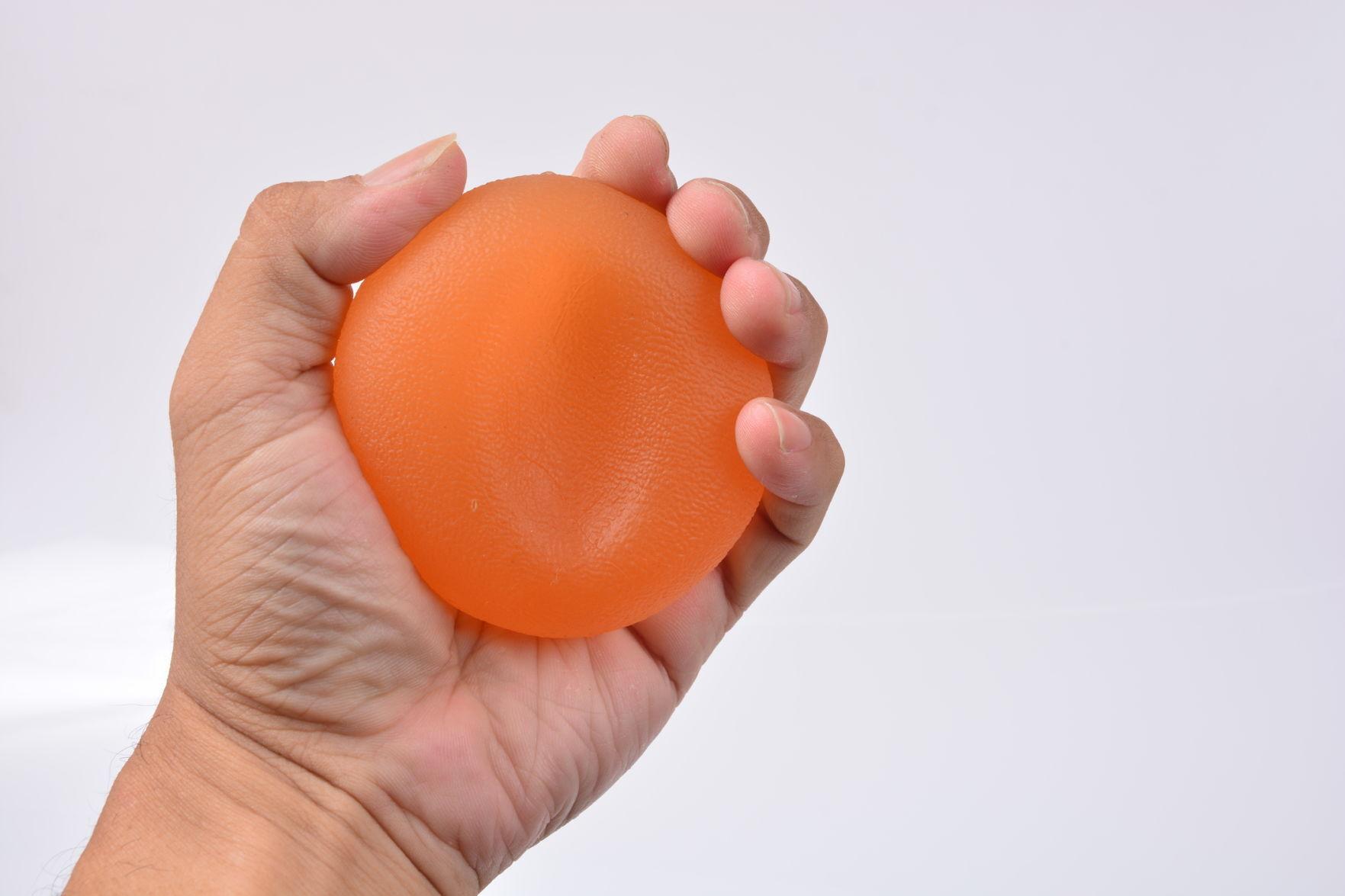
It’s a hassle to regain the strength of our hands if unmaintained over time. Sean McCawley has suggestions to keep yours strong.

Constraints of hours in our demanding schedule is an eternal balancing act. Don’t the let the idea of “I don’t have enough time” hold you back from much needed exercise.

If we don’t have a physically active profession and spend 40-plus hours a week at a desk, we have to find new ways to stay as physically fit as our hard-working ancestors. Becoming a recreational athlete is one of them.

Focusing on the well-being of your hip flexor muscles is a great solution to alleviate common lower back symptoms in which our society struggles with on a daily basis.

You never know how much you use your scapula — aka, your shoulder blade — until it isn’t working well.
Having a goal to work towards can give a boost to striving for health and fitness goals. Sean McCawley shares one success stor.
Do you feel you just don’t have time to exercise? Napa fitness guru Sean McCawley has suggestions for getting around this obstacle to fitness.

If your routines help you feel better throughout your day, keep them going. Sure, scientific data is always going to benefit us but it’s the traditions we practice that make us feel good that scientific data doesn’t necessarily support.

A personal training client showed up sporting new clothes, hairdo, new sunglasses — and a new confidence. What was his secret? A few lifestyle changes.
Fitness guru Sean McCawley urges people to turn off the electronics and enjoy conversations dinner with their families.

Balance can be defined as the ability to correct imbalances. Sean McCawley has an exercise to help this.
Not many of us have the skill and talent of the champion Olympic gymnast Simone Bile, but there are ways to improve our balance.
There’s nothing more frustrating than having to walk at snail speed because of nagging knee pain, but one way to keep your knees healthy is to make sure you do hip-strengthening activities.

We can’t thrive in life when being held up by painful symptoms such as sciatica. Pick exercises that are simple, effective, and easy to replicate on weekly basis to help us live pain free, happy, and strong lives.

What causes the debilitating condition sciatica and can a good exercise routine help mitigate it?
All kinds of emotions can hinder fitness plans. Sean McCawley has ideas for moving ahead to accomplish even the biggest “hairy audacious goals.”
Getting ready to travel again? Make sure to plan ahead for trips with a balanced exercise prescription to ensure your body is strong and injury-free to enjoy these life-changing experiences.

The challenges of pregnancy are many, but understanding that the body can still benefit from a structured fitness routine throughout pregnancy helps the body ride through the mental, physical and emotional undertow.

Weight management is challenging. As we age, our metabolism decreases. However, the advancement of our age and the slowing of our metabolism is usually not the primary culprit when it comes to gaining excess weight.
Ball-and-socket, hinge and saddle — these are just a few names of the joints responsible for the elaborate movements of our bodies. They are masterfully engineered, however, they are at risk if they are left unattended.
Exercising during the winter months can seem like an impossible task due to the short days and cold weather. Here are five tips to make sure you remain physically active this winter.
Sean McCawley, the founder and owner of Napa Tenacious Fitness in Napa, welcomes questions and comments. Reach him at 707-287-2727, napatenacious@gmail.com, or visit the website napatenaciousfitness.com.
Build your health & fitness knowledge
Sign up here to get the latest health & fitness updates in your inbox every week!
]]>Nerve pain can be the most challenging form of physical sensations to explain. The compression of nerves can have many descriptions: searing, “zinging,” or irritable feelings caused by a pinched nerve.
A common nerve disruption is located in the hip region and features a disturbance around the sciatic nerve. For readers who have experienced sciatic nerve pain, one could agree that sciatica can make our everyday life activities a “pain in the butt.”
Quality journalism doesn’t happen without your help. Subscribe today!
Let’s meet the LPHC. Known as the lumbopelvic hip complex, this is a term exercise physiologist nerds use when referring to the muscles, bones, ligaments and nerves correlating with the lower back, hip and upper thigh region.
The “lumbo” portion refers to the vertebrae of the lumbar spine. A vertebra is a spine bone that encases the spinal cord. These uniquely shaped bones have various spinal root nerves budding out from the side, which innervate organs and the skeletal muscle attached to the nerve’s junction point.
People are also reading…
One could say these nerves act as highways of electrical signals relaying messages from our brain to body organs. The lumbar vertebrae are unique due to their sizable, bulky structure compared to their neighbors, the thoracic and sacral spines, which aren’t as structurally dense. These five lumbar vertebrae reside smack dab in the middle of the body. So they need to be thick and robust to carry the load of our torso over our hips.
Sean McCawley
“Pelvic” refers to the pelvis region of the LPHC. The pelvis includes the sacrum and the fused bones of the pelvis including the ilium, ischium and pubis. The sacrum is a collection of spinal vertebrae fused to create the triangle bone attached to the lumbar spine’s fifth and last lumbar vertebra.
Similar to the lumbar vertebrae, the sacrum possesses small tunnels allowing nerves stemming from the spinal cord to travel through the hip joints and down the legs to innervate the lower extremities.
The triangular bone of the sacrum acts as a keystone in which the bony crests of the ilium and what yoga instructors refer to as the “sitz bone,” the ischium, are fused as well.
Lastly, we have the “hip” portion of the LPHC. The hip joint is a sophisticated structure that forms a ball-and-socket joint. The fusion of the ilium, ischium and pubic bone come together at one point to form this socket, allowing the knobby head of the femur to fit into it. The combination of this ball-and-socket joint and the head of the femur makes the hip joint. A vast array of muscles, tendons and ligaments connect, intersect and overlap to allow for the integration of the unique movement of the hip.
So why is it important to know about the LPHC and sciatica? First, let’s make one last introduction to a network of nerves that form a braid called the “cauda equina.”
Latin for “horse tail,” the cauda equina is a collection of nerves stemming from the lumbar vertebrae. When viewing an anatomical image of the body, it indeed looks like a horse’s tail draping over the back of its hips.
This collection of nerves innervates organs within our abdomen and muscles of the hip, knee, and ankle joint.
In connection with innervating the lower extremities, we have the cauda equina’s roommate, the sciatic nerve. The sciatic nerve is an extension cord-sized nerve stemming from the lumbar and sacral vertebra that passes through the hip joint. Its job is also to innervate skeletal muscles of the hip, knee, and ankle joint.
Appreciating this body region is the key to mitigating the beginning periods of sciatica and recovering from chronic cases of sciatica.
The network of muscles, tendons, ligaments, and nerves residing in the LPHC create a masterpiece of integrating nervous signaling and the conduction of various muscles firing at one time, allowing us to stand upright, rotate our torso, and move our legs in multiple ranges of motion.
If this region is damaged, the integration of these coordinated movements can become flawed, resulting in weakness, pain, and a decreased lean muscle mass around the LPHC.
The muscles connecting the lumbar spine to the pelvic region maintain the integrity of the vertebrae connecting the lower back to the hips. The muscles around the hip keep the ball-and-socket joint in a neutral position and protect the hips from rubbing against the hip joint’s insertion point on the sciatic nerve. Therefore, knowing the architecture of this region and understanding the muscles involved in keeping the LPHC in alignment aids us in staving off pain, decreased movement, and nerve damage.
In next week’s article, we’ll meet the muscles attaching to the LPHC. After we formally greet these muscles, we’ll find out what exercises these muscles enjoy doing that make them develop into solid and active motors to keep our spine and hips strong, healthy, and able to manage pain.
SAID means “Specific Adaptation to an Imposed Demand” and this includes long hours sitting in an airplane or car. What can you do to help your body out after you get off the plane or out of your car?
Fitness trainer Sean McCawley experienced challenges to his healthy Napa lifestyle on his 10-day trip to Portugal.
Finding time to exercise is challenging but if you can find time to perform one or two exercises first thing in the morning, this can can accomplish simple and effective exercises.
On the run up to a championship match, the foods you choose will make a difference.
What’s for dinner? Before you turn to Door Dash, fitness pro Sean McCawley has a suggestion.
When striving to meet fitness goals, try keeping in mind a growing a plant — both a plant and your body thrive in a nurturing, supportive environment.
Exercising first thing in the morning may sound like a challenge, but the benefits far outweigh the pain of getting out of bed a few minutes earlier.
Rise and shine — or rest in bed? Sean McCawley provides reasons for getting yourself up in the morning.
We don’t realize how vital lower back health is until an accidental injury debilitates us, but exercises can help avoid this calamity.
A long-plane ride, turning your head the wrong way, even sleeping in an odd position, can tweak your back just enough to derail physical activities. The first step in avoiding these injuries, is learning the anatomy of your spine.
We can fall into an unhealthy rut of spending too much time on our phones. Take some time for yourself by stepping away from your cell phone to experience the gifts the world offers us that are right in front of us.
A few popular questions fitness trainer Sean McCawley is asked are: “How many calories should I consume?”, “Are carbs bad?”, “Should I be paleo?” and “What type of protein supplement should I take?”
Staying hydrated is important to overall health, longevity and functionality, writes fitness coach Sean McCawley. So how do you drink enough water each day? He has a plan for you.
If stepping into a gym is as intimidating to you as a walk in Jurassic Park, Sean McCawley has idea to help you overcome your anxiety and give yourself a gift of exercise.
An exercise program of resistance training can significantly increase your body’s ability to build strength in your bones.
From construction worker to desk worker, we all have muscles we don’t use in a typical day. Your can supercharge your fitness by adding exercises that target these areas of the body.
If you struggle adhering to an exercise program, pick out a few keywords of how exercise makes you feel like what you’re doing has value.
Fitness expert Sean McCawley explores why and how to do pushups.
She wanted to lose 10 pounds before a vacation on the beaches of Portugal. Fitness trainer Sean McCawley helped her come up with a plan.
Our spine is akin to a highway in the human body. By engaging in physical activity that keeps the spinal muscles active, we perform proper maintenance on our main freeway of nerves, just as of Cal Trans workers cares for these roads.
Our willpower and perseverance to make a trek to a local gym, take a yoga class or participate in outdoor physical activity are equally, if not more powerful, than any medicine that keeps us away from the doctor’s office.
Crunchy, salty, and sweet treats can provide comfort, joy and salvation from challenging times. We can’t just extract them from our lives on short notice but here are tips to still enjoy them with moderation, accountability and control.
One of the easiest ways to improve your health in 2022 is to be sure you are drinking enough water.
A plan to enjoy 2022 and reach our goals begins with Two great places to start building a good foundation of ensuring we reach our goals in 2022 is to eat the right foods and adhere to a exercise routine.
Napa Valley fitness guru Sean McCawley has suggestions for what to do when your lifestyle has you wound up tight as a violin string.
Finals week — or any week during college — may not be the prime time for thinking about healthy food choices, but Sean McCawley offers some easy-to- make alternatives to one more bowl of instant ramen.
Nutritional advice today can be confusing and often contradictory.
Napa fitness guru Sean McCawley outlines how to use your gardening tasks for a fitness routine worthy of a gym-workout.
Stress has a profound effects on our well-being, but exercising even once or twice a week can also have a profound impact on stress.
Carbohydrates, proteins, and fat are the big three that are predominantly focused on the back of nutrition labels when counting calories.
If you see a rogue candy wrapper left over from trick-or-treaters, bend over and pick it up. Practicing mindfulness of picking up objects from the ground helps mitigate the debilitating effects of back pain while bending over as we progress through life.
We spend so much of our time sitting, including driving to work to get ready to sit some more. Napa fitness coach Sean McCawley suggests exercises you can do in your car to counteract the toll that prolonged sitting takes on the body.
Napa Valley fitness pro Sean McCawley shares thoughts about the importance of continuing to get down and dirty — or at least being sure to include a few bends every day — as we age.
It’s a hassle to regain the strength of our hands if unmaintained over time. Sean McCawley has suggestions to keep yours strong.
Constraints of hours in our demanding schedule is an eternal balancing act. Don’t the let the idea of “I don’t have enough time” hold you back from much needed exercise.
If we don’t have a physically active profession and spend 40-plus hours a week at a desk, we have to find new ways to stay as physically fit as our hard-working ancestors. Becoming a recreational athlete is one of them.
Focusing on the well-being of your hip flexor muscles is a great solution to alleviate common lower back symptoms in which our society struggles with on a daily basis.
You never know how much you use your scapula — aka, your shoulder blade — until it isn’t working well.
Having a goal to work towards can give a boost to striving for health and fitness goals. Sean McCawley shares one success stor.
Do you feel you just don’t have time to exercise? Napa fitness guru Sean McCawley has suggestions for getting around this obstacle to fitness.
If your routines help you feel better throughout your day, keep them going. Sure, scientific data is always going to benefit us but it’s the traditions we practice that make us feel good that scientific data doesn’t necessarily support.
A personal training client showed up sporting new clothes, hairdo, new sunglasses — and a new confidence. What was his secret? A few lifestyle changes.
Fitness guru Sean McCawley urges people to turn off the electronics and enjoy conversations dinner with their families.
Balance can be defined as the ability to correct imbalances. Sean McCawley has an exercise to help this.
Not many of us have the skill and talent of the champion Olympic gymnast Simone Bile, but there are ways to improve our balance.
There’s nothing more frustrating than having to walk at snail speed because of nagging knee pain, but one way to keep your knees healthy is to make sure you do hip-strengthening activities.
We can’t thrive in life when being held up by painful symptoms such as sciatica. Pick exercises that are simple, effective, and easy to replicate on weekly basis to help us live pain free, happy, and strong lives.
What causes the debilitating condition sciatica and can a good exercise routine help mitigate it?
All kinds of emotions can hinder fitness plans. Sean McCawley has ideas for moving ahead to accomplish even the biggest “hairy audacious goals.”
Getting ready to travel again? Make sure to plan ahead for trips with a balanced exercise prescription to ensure your body is strong and injury-free to enjoy these life-changing experiences.
The challenges of pregnancy are many, but understanding that the body can still benefit from a structured fitness routine throughout pregnancy helps the body ride through the mental, physical and emotional undertow.
Weight management is challenging. As we age, our metabolism decreases. However, the advancement of our age and the slowing of our metabolism is usually not the primary culprit when it comes to gaining excess weight.
Ball-and-socket, hinge and saddle — these are just a few names of the joints responsible for the elaborate movements of our bodies. They are masterfully engineered, however, they are at risk if they are left unattended.

It’s not a bad idea to look at the scale and track our weight. Just make sure to understand where that weight is coming from and be mindful on managing the pathways that increase or decrease lean muscle mass and fat.

Taking time to focus on ourselves and give ourselves the gift of exercise, can help us to be better parents, spouses and employees.
If parenthood has upended your old gym fitness regimes, remember you have a new exercise partner, brimming with energy and waiting to put you through a new cardio routine, running through a playground.

Napa fitness guru Sean McCawley shed lights upon what sugary foods do the body and how this affects our everyday life activities.

The act of putting socks on can be commonly overlooked but if you lose that ability, it’s quite a task to get back. Tracking your performance on how efficiently you can put on your socks is a good marker to see what you might need to improve on to ensure you can bend up and down.

Pay attention to your posture when perusing your smart phone. These tips from Napa fitness pro Sean McCawley will help you avoid damage to your neck and spine.
Sean McCawley, the founder and owner of Napa Tenacious Fitness in Napa, CA, welcomes questions and comments. Reach him at 707-287-2727, napatenacious@gmail.com , or visit the website napatenaciousfitness.com
Sign up here to get the latest health & fitness updates in your inbox every week!
]]>I blame it all on Robert Preston — my dislike of exercise and fitness, that is. Now that I’m 65 and unretired and someone with Type 2 diabetes, I’m trying to change my attitude and habits about exercising (with mixed success). If you’re in your 60s or so, I’m here to tell you how and why you might want to become more active, too.
Back to Robert Preston. I loved him in “The Music Man,” but if you’re around my age, odds are that when you were a kid in gym class, you, too, were subjected to Preston’s 1962 recording of the song “Chicken Fat.”
Composed for President Kennedy’s Council on Physical Fitness by “The Music Man” creator Meredith Willson, it played relentlessly while elementary, junior high and high school kids touched their toes, and did jumping jacks, push-ups and pull-ups to lines like this:
“Push up every morning. Ten times! Push up starting low.
Once more on the rise, nuts to the flabby guys, go you chicken fat, go.”
Turns out, I’m not the only one whose fear and loathing of exercise has a link back to childhood.
Bad memories from gym class
A 2018 Iowa State University study of phys ed memories found that embarrassment from being made to feel incompetent by the PE instructor or other classmates or lacking perceived competence in the activity or sport “may have powerful, long-lasting effects on attitudes and behavior.”
Loretta DiPietro, 65, who chairs our current president’s Physical Activity Guidelines Advisory Committee’s Aging Subcommittee, understands.
“You’re not the only one,” she told me. “When we ask older people, ‘Why aren’t you physically active?’ they say, ‘I’m not good at it.’”
It’s one reason DiPietro, a professor in George Washington University’s department of exercise and nutrition sciences, suggests we try to get more “physical activity,” not “fitness” or “exercise.”
Fitness and exercise, she says, “are scary words.”
Think ‘physical activity,’ not ‘exercise’
But physical activity, notes DiPietro, is “basically everything you do that uses your muscles and results in some ambulatory activity.” (That, I can do.)
“So, walking across the room, lifting, carrying, raking leaves, doing laundry, it’s all good,” says DiPietro. And, she adds, “one of the best pieces of evidence that came from doing the recent [federal physical activity] guidelines is that it doesn’t have to be vigorous, physical activity to count.”
Richard Ashworth, president and CEO of Tivity Health, which owns the nationwide SilverSneakers community fitness program for people 65+ with Medicare Advantage plans, says: “The number one most impactful way you can live a higher quality life is to be physically active. If you want to live the longest, the best thing you can do is have more friends. But if you want to live the highest quality life, what you want to do is be physically active.”
The current federal guidelines say that, for substantial health benefits, adults should do at least 2 ½ hours to 5 hours a week of moderate-intensity physical activity (it doesn’t have to be all at once) or 1 hour and 15 minutes to 2 ½ hours a week of vigorous intensity aerobic physical activity or — and here’s the important part — an equivalent combination of moderate-and vigorous-intensity aerobic activity.
Plus, the guidelines advise, adults should also do muscle-strengthening activities of moderate or greater intensity on two or more days a week.
New thinking about the right physical activities
In fact, the U.S. government guidelines suggest what’s known as “multicomponent physical activity” to help reduce the risk of injury from falls or injury from falls. This means including more than one type of physical activity, such as aerobic, muscle strengthening and balance training.”
DiPietro says that in the past, experts “thought the only thing that mattered for health was vigorous physical activity.” But now, she notes, analysts have discovered that moderate-intensity activity, light-intensity activity and vigorous physical activity “all counts.”
Think of daily physical activity as a glass of water, DiPietro says.
“What you want to do is fill that glass of water. You could turn on the tap and get a real vigorous flow of water, which would fill it up quickly. Or you could do a little vigorous and then some moderate and then a weak stream that will fill it up over the course of the day. It doesn’t matter how you fill your glass,’ she notes. “You should just try and fill it every day.”
Any physical activity, DiPietro says, is better than sitting.
The biggest gain in benefits, the government says, happen when you go from no physical activity to being active for just 60 minutes a week or roughly eight minutes a day.
Troubling numbers for older Americans
Problem is, many of us — especially those of us around 65 — aren’t doing anywhere close to what the government recommends.
In fact, according to the U.S. Department of Health and Human Services’ Healthypeople.gov site, 31% of Americans 65 to 74 engage in no leisure-time physical activity. Overall, just 28% of men and 21% of women in the U.S. meet the government’s aerobic and muscle-strengthening guidelines.
You know, of course, all the bad things that can happen to you and your health if you’re an older adult and don’t exercise…er, get physical activity: an increased risk of falls, injuries, stroke, heart- and other chronic conditions and depression.
But the Centers for Disease Control and Prevention (CDC) also says people who do little or no physical activity are more likely to be hospitalized or die from COVID-19 than those who are more physically active.
But what exactly does the government mean by moderate intensity, vigorous intensity aerobic and muscle-strengthening activities and how can you do them?
A guide to types of physical activities
Let me take them one at a time:
Moderate intensity aerobic activities: These are ones that produce a noticeable increase in your breathing rate and heart rate. You can talk, but not sing, while you do them. Examples: walking briskly, riding a bike on level ground, pushing a lawn mower or playing doubles tennis or pickleball.
Vigorous intensity aerobic activities: These are ones that produce large increases in your breathing and heart rate. When you do them, you can’t say more than a few words without pausing for a breath. Examples: running, jogging, swimming laps, riding a bike on hills and playing singles tennis or basketball.
Muscle-strengthening activities: These involve all the major muscle groups and include things like using exercise bands, weight machines, hand-held weights; doing push-ups, pull-ups, planks, squats and lunges (Robert Preston!); gardening chores such as digging, lifting and carrying things as well as some yoga postures and some forms of tai chi. According to the Physical Activity Guidelines for Americans, 2nd Edition, these exercises “should be performed to the point at which it would be difficult to do another repetition.”
If you’ve been largely sedentary like me, the key is to increase the amount of physical activity gradually.
According to the government’s physical activity guidelines report, “it can take months for those with low fitness to gradually meet their activity goals.” It’s best to start muscle-strengthening activities one day a week at a light or moderate intensity, for example, and then raise the level to two or more days a week, increasing the intensity slightly along the way.
What I’m doing — or trying
I’ve started to take DiPietro’s advice and am trying to get more physical activity into my life and build my stamina.
Aside from walking my dog, I’m now also trying to walk stairs rather than take escalators or elevators and park my car further away from my destination to force myself to get in more steps.
The weekend volunteering I’ve begun for the Furniture Assist nonprofit entails lifting and carrying pieces of furniture and heavy bags of clothes from owners’ cars into the warehouse or from the warehouse to recipients’ trucks.
And I’ve just become a member of my local YMCA so I can start taking twice-a-week, 50-minute “Lite Total Body Fitness” classes.
My wife, Liz, and I recently rode bicycles on the Atlantic City boardwalk from, and to, the town of Ventnor — roughly 5 miles each way. (Biking against the wind was harder for me.)
We’ve also just started taking up pickleball, which is a cross between tennis and Ping-Pong. I enjoyed getting my heart pumping, but confess I had to sit down a few times due to heat exhaustion (a problem that’s not uncommon for people with diabetes).
DiPietro’s advice: hydrate, hydrate, hydrate.
Passionate for Pickleball
“Pickleball is great for so many reasons,” DiPietro says. “It’s aerobic, it’s impact because you’re running on a court and it’s strategic, so it helps keep those marbles upstairs rolling around perfectly.”
A friend who’s roughly my age, public relations manager Rebecca Theim of College Park, Md., began playing pickleball a year ago. Now, she’s rabid about it.
“My goal is always to do at least a minimum of four to five days a week,” she told me.
Theim, who had a tennis scholarship while attending Northwestern University, now regularly enters pickleball tournaments. In fact, she and her partner were the second-best team from Maryland in the 2021 Maryland Senior Olympics.
Pickleball, she says, “is much more manageable than tennis — the court’s 40% of the size and the net’s about 6 inches lower.” Plus, she adds, it’s a lot less strenuous.
But playing pickleball is one reason Theim will be having surgery to replace both her knees in coming months. “I think it certainly accelerated it,” she says.
She also has Achilles tendinitis, which according to the Therapeutics Associates Physical Therapy website, “is often caused by a sudden increase in the amount or type of repetitive activity, such as going from never playing pickleball to playing it 4 times a week.”
How to get started becoming more active
I asked SilverSneakers’ Ashworth what retirees can do to become more physically active. His response: “If their doctor clears them to get started [with physical activity], walking is amazing,” Ashworth said. “Walking is a full-body activity — your arms, your core is engaged.”
DiPietro’s walking advice for older adults with diabetes: “Do that walking after each meal.”
Ashworth has three other suggestions to begin getting physical activity into your life in retirement: hiking, cycling and gardening. But, Ashworth says, “We all have different limits and capacities; knowing your own limitations is an important concept.”
DiPietro also recommends launching a walking plan, building up to a half-hour a day every day, especially if you don’t want a performance-based activity.
“Then, go to something fun like pickleball or a dance class or complementary exercises like tai chi,” she suggests.
Fitness and your finances
Ashworth mentioned a hidden benefit to getting regular physical activity: you can save money. By becoming healthier, you may be able to eliminate or reduce some of your prescriptions for ailments.
DiPietro says that for some people, physical activity means “I don’t have Type 2 diabetes anymore or I can go off my medication for hypertension.”
One CDC study found that people who attended a SilverSneakers gym or fitness class at least twice a week spent $1,250 less on healthcare in their second year of the program than those attending just once a week. The American Diabetes Association research showed that people with diabetes in SilverSneakers activities saved more than $1,600 in medical expenses their first year compared with others; they also had fewer hospitalizations.
Junking the old definition of retirement
DiPietro says trashing the traditional definition of retirement could help people in their 60s and older get more physical activity in their lives.
“I grew up in an era where older people were told, especially upon retirement, to relax and take it easy. And that is probably the worst advice we could have given,” she says. “The advice I have to give is: Use it or lose it. And that becomes especially so in older age.”
The National Institute on Aging has three free, helpful online tools to help you get started and keep going. There’s the Find Your Starting Point Activity Log; its guide to the four types of exercise (endurance, balance, flexibility and strength) and the Monthly Progress Test.
Remember, as the Chinese proverb says: a journey of 1,000 miles begins with a single step.
]]>